
Bimo Vape
BIMO Vape Australia: Complete Guide, Comparison, Features, Vaping Laws and Important Facts
Vaping has changed significantly in Australia over the last several years. Products that were once widely available through specialist vape shops, convenience stores and tobacconists are now subject to a much stricter national regulatory framework. bimo vape | bimo vapes | bimo vape Australia | bimo vapes Australia | bimo vape 40000 puffs | bimo vapes australia | bimo vape 40000 | bimo vape Australia | bimo vape review.
For Australians researching brands such as BIMO Vape, understanding both the product itself and the country’s vaping laws is therefore essential.
BIMO is an international vape and e-liquid manufacturer established in 2015. The company produces a range of devices with different designs, capacities, battery configurations, flavour options and puff-count claims. Its international product catalogue includes models such as the BIMO 4000, BIMO Crystal 12000, BIMO Dual 15000 and BIMO Turbo 20000.
However, an important distinction needs to be made: a BIMO product being manufactured or marketed internationally does not automatically mean that a particular BIMO model is lawful to sell or supply in Australia. Australian law regulates what vaping products can be supplied, where they can be supplied and what characteristics they can have.
This guide explains BIMO Vape, compares it with different types of vaping devices, discusses important Australian vaping facts and provides an overview of the country’s current regulatory framework.
What Is BIMO Vape?
BIMO Vape is a brand associated with disposable, rechargeable and other electronic vaping products. According to BIMO’s own information, the company focuses on vape and e-liquid manufacturing, product development, research and development, production and compliance.
Unlike traditional cigarettes, an electronic cigarette or vape uses an electronic heating system to produce an aerosol for inhalation. Australian legislation defines an e-cigarette broadly as a device that generates or releases an aerosol or vapour electronically for inhalation and includes products such as e-pens, e-hookah pens and vapes.
BIMO products vary considerably depending on the model.
For example, the manufacturer’s BIMO 4000 is described as having:
- Up to 4,000 puffs
- A rechargeable 500mAh battery
- Approximately 13mL of e-liquid
- Mesh-coil technology
- Multiple flavour options
- 2% and 5% nicotine options in the international specification
The BIMO Crystal 12000 is listed with up to 12,000 puffs, a rechargeable battery, a mesh coil, a digital display and different nicotine options. bimo vape | bimo vapes | bimo vape Australia | bimo vapes Australia | bimo vape 40000 puffs | bimo vapes australia | bimo vape 40000 | bimo vape Australia | bimo vape review.
Meanwhile, the BIMO Turbo 20000 is advertised internationally with up to 20,000 puffs, an 18mL reservoir, dual-mesh coil technology, adjustable airflow and USB-C charging.
These specifications demonstrate why consumers should not treat “BIMO Vape” as one single product. The specifications depend on the particular BIMO model.

BIMO Vape Compared With Other Types of Vapes
One of the easiest ways to understand BIMO is to compare it with the major categories of vaping devices.
BIMO vs Traditional Disposable Vapes
Traditional disposable vapes are designed to be used until their battery or e-liquid is exhausted and then discarded.
Some BIMO products marketed internationally are described as disposable-style devices but include rechargeable batteries. For example, BIMO’s 4000 and Crystal 12000 models are listed as rechargeable.
A rechargeable design can reduce the likelihood that the battery becomes unusable before the available e-liquid has been consumed.
However, Australian consumers need to be particularly careful with the term “disposable.”
The Australian Government states that single-use disposable vapes cannot be purchased from pharmacies, and the TGA’s regulatory framework prohibits the commercial supply of disposable single-use vapes.
Therefore, a large international puff count does not make a disposable product legal for Australian supply.
BIMO vs Pod Systems
Pod systems generally consist of a rechargeable battery and a replaceable or refillable pod.
Compared with a conventional disposable, a pod system may offer:
- Replaceable pods
- Rechargeable batteries
- More control over usage
- Potentially less hardware waste
- Different nicotine strengths
- Different coil configurations
BIMO’s product range includes devices that blur the traditional distinction between “disposable” and “rechargeable” because some high-capacity products have rechargeable batteries.
The important issue for Australians, however, is not simply whether a device is rechargeable.
The product must satisfy Australia’s therapeutic-vaping requirements if it is being lawfully supplied in Australia.
BIMO vs Refillable Vape Kits
Refillable vape kits are generally more complex than disposable-style devices.
A typical refillable system may allow the user to:
- Recharge the battery.
- Replace a coil.
- Refill an e-liquid reservoir.
- Adjust airflow.
- Select different power settings.
Some BIMO models also offer features such as adjustable airflow and digital displays. The BIMO Turbo 20000, for example, is advertised internationally with adjustable airflow, USB-C charging and a digital display.
The advantage of a refillable system is greater flexibility. The disadvantage is that it can require more maintenance and knowledge.
For a beginner, simple operation may be appealing, while experienced users may prefer greater control.
BIMO Vape Features
Depending on the model, BIMO devices can include several modern vaping features.
High puff-count designs
BIMO markets products with different advertised puff counts, including 4,000, 12,000, 15,000 and 20,000-puff models.
However, consumers should understand that a puff-count number is not a guaranteed number of inhalations for every user.
BIMO itself explains that laboratory puff counts are based on standardized testing and that longer individual draws can reduce the number of actual puffs a user experiences.
Rechargeable batteries
Some BIMO products feature rechargeable batteries and USB-C charging.
Rechargeability can make a device convenient because users do not necessarily need to discard the device when the battery temporarily runs low.
Mesh coils
Several BIMO products use mesh-coil technology.
Mesh heating elements are widely used in modern vape devices because they can provide consistent heating and flavour production.
Digital displays
Some BIMO models include screens showing information such as battery status or e-liquid levels.
This can be more informative than a simple LED indicator.
BIMO Vape Flavours
Flavour is one of the major differences between vaping products.
International BIMO product listings include fruit, cooling, beverage and candy-style flavour profiles, including combinations such as mango, watermelon, strawberry, blueberry, mint, cola and lemonade.
However, Australian consumers should understand an important legal distinction.
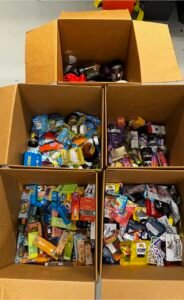
Under Australia’s strengthened therapeutic-vape standards, permitted flavours are restricted to mint, menthol and tobacco. The TGA states that the strengthened standards apply to therapeutic vaping products supplied in Australia.
Therefore, the extensive international flavour range associated with BIMO should not be interpreted as an indication that those flavours can legally be supplied through Australian pharmacies.
BIMO Vape and Nicotine
Nicotine is highly addictive and is an important factor when evaluating any vaping product.
BIMO’s international product specifications show different nicotine options depending on the model, including nicotine-free products and products with higher concentrations.
Australian regulations are considerably more restrictive.
Under the current therapeutic-vaping framework, therapeutic vapes can contain nicotine within specified limits, with the strengthened product standard setting a maximum concentration of 50mg/mL.
Access also depends on the consumer’s age, nicotine concentration, clinical circumstances and applicable state or territory law.
For example, people aged 18 or over may access certain therapeutic vapes containing no more than 20mg/mL without a prescription after consultation with a participating pharmacist, subject to conditions and state or territory requirements. Higher concentrations require a prescription.
Is BIMO Vape Legal in Australia?
This is one of the most important questions for Australian consumers.
The answer cannot simply be “yes” or “no” for the entire BIMO brand.
Legality depends on the particular product, its formulation, its intended therapeutic purpose, compliance with Australian standards and how and where it is supplied.
Since 1 July 2024, Australian law has established a national framework regulating the importation, domestic manufacture, supply, commercial possession and advertising of vaping products.
Non-pharmacy retailers cannot legally supply vapes.
That includes:
- Vape shops
- Tobacconists
- Convenience stores
- Other non-pharmacy retail businesses
The TGA specifically states that vapes cannot be supplied through non-pharmacy retail stores.
This means an Australian website or shop selling an overseas BIMO disposable product does not automatically make that product legal.
Consumers should verify that any product being supplied is permitted under the Australian therapeutic-vaping framework.
Australian Vaping Laws Explained
Australia has one of the more tightly controlled vaping regulatory environments internationally.
Pharmacy-only supply
Since July 2024, therapeutic vaping products can only be supplied through participating pharmacies rather than conventional retail outlets.
This is a major difference between Australia and countries where specialist vape shops can legally sell nicotine products.
Disposable vapes
Single-use disposable vapes cannot be purchased through Australian pharmacies.
The Australian Government explicitly states that disposable single-use vapes are not available through pharmacies.
Advertising
Australian vaping advertising is heavily restricted.
The TGA states that advertising and promotion of vapes is generally prohibited unless specifically authorised. The restrictions cover traditional advertising as well as digital platforms and social media.
This is particularly important for Australian websites publishing vape-related promotional content.
Product standards
From 1 July 2025, only vaping products meeting the strengthened standards can lawfully be supplied in Australia.
The standards cover areas including:
- Ingredients
- Packaging
- Labelling
- Device design
- Battery safety
- Electrical safety
- Construction
- Toxicological risk
What Ingredients Are Allowed?
The strengthened Australian standards significantly restrict the ingredients permitted in therapeutic vaping substances. bimo vape | bimo vapes | bimo vape Australia | bimo vapes Australia | bimo vape 40000 puffs | bimo vapes australia | bimo vape 40000 | bimo vape Australia | bimo vape review.
The TGA lists permitted ingredients including:
- Nicotine
- Propylene glycol
- Glycerol
- Water
- Mint, menthol or tobacco flavouring
This means Australian-compliant therapeutic vaping products cannot simply contain every flavour or ingredient commonly found in international vape products.
This distinction is particularly important when comparing BIMO products sold internationally with products that can legally be supplied in Australia.
BIMO Vape vs Other Popular Vape Brands
When comparing BIMO with other vape brands, consumers should look beyond branding.
Consider these factors:
| Feature | BIMO | Other Vape Brands |
|---|---|---|
| Product range | Multiple international models | Depends on brand |
| Puff-count options | From lower to very high advertised capacities | Varies widely |
| Rechargeable models | Available | Common |
| Mesh coils | Used in various BIMO models | Common across industry |
| Digital displays | Available on some models | Available on some models |
| Flavour variety internationally | Broad | Varies |
| Australian pharmacy compliance | Must be assessed model-by-model | Must be assessed model-by-model |
| Disposable availability in Australian pharmacy | Not permitted for single-use disposable products | Same restriction |
| Advertising in Australia | Subject to strict restrictions | Same regulatory framework |
The table demonstrates an important principle:
Brand recognition is not the same thing as Australian regulatory approval.
A BIMO device should be assessed according to the exact product and Australian requirements rather than simply compared based on its brand name.
Puff Counts: What Do 4,000, 12,000 or 20,000 Puffs Actually Mean?
Puff counts are among the most visible numbers on modern vape packaging.
However, puff counts should be regarded as manufacturer estimates based on controlled testing, not a guarantee of how long a product will last.
BIMO explains that its laboratory puff measurements use standardized puff duration and that actual usage can differ depending on draw length and other factors.
For example, someone taking short, gentle draws may obtain more inhalations than someone taking long, deep draws.
Other factors include:
- Battery capacity
- Coil resistance
- Power output
- Draw duration
- Airflow
- Temperature
- Frequency of use
Consequently, comparing a “20,000-puff” product with a “10,000-puff” product should not be treated as an exact two-to-one comparison.
Are Vapes Safer Than Cigarettes?
This question requires careful wording.
Vaping is not harmless.
Nicotine can cause dependence, and vaping aerosols can expose users to substances that may affect health. bimo vape | bimo vapes | bimo vape Australia | bimo vapes Australia | bimo vape 40000 puffs | bimo vapes australia | bimo vape 40000 | bimo vape Australia | bimo vape review.
At the same time, vaping and combustible tobacco smoking are different exposures. For adult smokers, switching completely away from combustible cigarettes may reduce exposure to many harmful chemicals associated with tobacco combustion.
However, this does not mean that non-smokers should start vaping.
The Australian Government’s approach is focused on reducing smoking and nicotine dependence while controlling vaping access. The TGA also notes that vaping products are not recommended as the first-line smoking-cessation treatment; behavioural support and approved nicotine-replacement therapies such as patches, gum and lozenges are first-line options.
Vaping and Young People in Australia
Young people should not vape.
Nicotine is addictive, and Australia’s regulatory system includes age-related controls.
People under 18 who access therapeutic vapes require a prescription where state and territory laws allow access.
Vape advertising and promotion are also heavily restricted partly because of concerns about youth exposure and uptake.
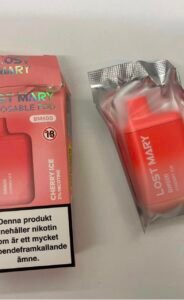
Parents and educators should be aware that modern vape devices can look very different from traditional cigarettes. Some resemble small electronic devices, pens or other everyday objects.
Vaping and Driving in Australia
Vaping while driving raises both safety and legal considerations.
Even where vaping itself is not specifically prohibited in a particular circumstance, drivers should avoid anything that distracts them from operating a vehicle safely.
Potential distractions can include:
- Handling the device
- Checking a digital screen
- Adjusting airflow
- Charging the device
- Searching for a vape
- Clouds or vapour obstructing visibility
Australian road rules vary between jurisdictions, so motorists should follow their state’s road-safety requirements.
A sensible principle is simple: the driver should keep full attention on the road.
Vaping and the Environment
Disposable vaping products create an environmental challenge because they combine electronic components, batteries, plastics and other materials.
Rechargeable devices can potentially reduce the number of devices discarded compared with single-use products, but they still contain batteries and electronic components that require appropriate disposal.
Consumers should not throw used lithium-battery devices into ordinary household rubbish where local recycling arrangements provide safer alternatives.
Australia’s restrictions on single-use disposable vapes also address broader concerns about waste, supply and regulatory compliance.
How to Evaluate a BIMO Vape
If you are researching a BIMO device, consider the following checklist.
1. Identify the exact model
“BIMO Vape” is not enough.
Find the exact model name and specifications.
2. Check nicotine strength
Confirm the nicotine concentration rather than relying only on the product’s marketing.
3. Check whether it is single-use
A single-use disposable has different implications under Australian law.
4. Check the intended purpose
Australian therapeutic vaping products must be intended for smoking cessation or management of nicotine dependence.
5. Check Australian compliance
Do not assume that CE, TPD or other overseas compliance claims automatically equal Australian compliance.
6. Purchase only through a lawful channel
Australian consumers should obtain therapeutic vaping products through participating pharmacies and follow applicable prescription, pharmacist-consultation and state or territory requirements.
Why BIMO May Appeal to International Vape Users
BIMO’s international product range emphasizes several characteristics that modern vape users often look for:
- Large advertised puff counts
- Rechargeable batteries
- Mesh-coil technology
- Digital displays
- USB-C charging
- Multiple flavour choices
- Portable designs
- Different device capacities
For example, BIMO’s Turbo 20000 combines a high advertised puff count with an 18mL reservoir, dual-mesh coil, adjustable airflow and rechargeable battery.
The BIMO Crystal 12000 similarly emphasizes a high puff count, mesh coil, rechargeable battery and display.
These features help explain the brand’s appeal in international markets.
Nevertheless, Australian consumers must separate international product specifications from products that are legally available within Australia’s therapeutic-vaping system.
Important Australian Vape Facts
Here are some of the most important facts Australian consumers should remember:
Fact 1: Vapes are regulated nationally under Australia’s therapeutic-goods framework.
Fact 2: Non-pharmacy retailers cannot legally supply vapes.
Fact 3: Single-use disposable vapes cannot be supplied through Australian pharmacies.
Fact 4: Adults may access certain therapeutic vapes containing 20mg/mL or less without a prescription after pharmacist consultation, subject to conditions and state or territory law.
Fact 5: Higher nicotine concentrations require a prescription.
Fact 6: People under 18 require a prescription where access is permitted by state or territory law.
Fact 7: Therapeutic vape flavours are restricted to mint, menthol and tobacco under the strengthened standards.
Fact 8: Vaping advertising and promotion are heavily restricted.
Fact 9: Since 1 July 2025, only products meeting the strengthened standards can lawfully be supplied in Australia.
Fact 10: Australia’s vaping laws do not criminalise possession of vaping goods by individuals for personal use, although other restrictions and state or territory laws can apply.
Final Verdict: Is BIMO Vape Worth Considering?
BIMO is an international vape brand with a diverse range of devices, including high-capacity rechargeable products, mesh-coil systems and devices with digital displays.
From a product-design perspective, its international range competes with other modern vaping brands by emphasizing convenience, battery life, flavour variety, portability and high advertised puff counts.
However, the Australian market is different.
The most important consideration for an Australian consumer is not simply whether BIMO has a particular device or flavour. It is whether the specific product complies with Australia’s current therapeutic-vaping requirements and can lawfully be supplied through an appropriate pharmacy channel.
The Australian regulatory environment has changed substantially since 2024. Non-pharmacy retailers cannot sell vapes, disposable single-use products cannot be supplied through pharmacies, advertising is tightly restricted, and therapeutic vaping products must meet strengthened product standards.
Therefore, Australians researching BIMO Vape should focus on product authenticity, exact model specifications, nicotine concentration, Australian compliance, lawful supply channels and responsible use, rather than relying solely on international websites, puff-count claims or flavour lists.
For anyone who does not currently smoke or use nicotine, starting vaping is not recommended. For smokers considering vaping as part of quitting, speaking with a pharmacist or healthcare professional can help determine whether vaping is appropriate and what evidence-based cessation options are available.
Showing 1–12 of 22 results